
Talk to us
08071780067
Talk to us
08071780067
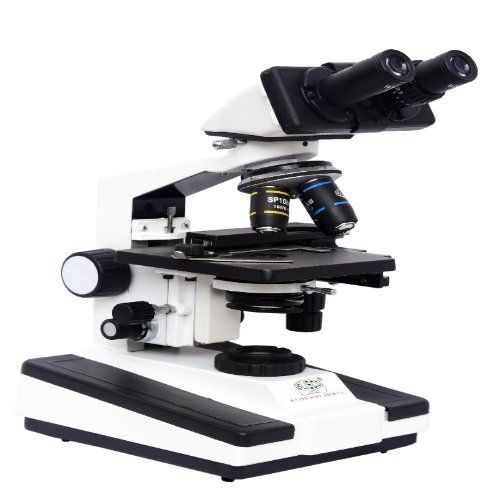
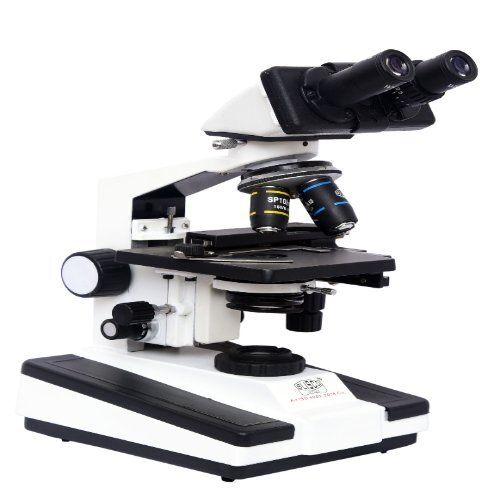
-Thebodyiswelldesigned,MetalBodiedbiologicalmicroscopeforStudentsinMedicalcollegesViewingBodies:-ObservationHeadinclinedat45,rotatable
Nosepiece:-Smoothrevolving,quadruplenosepiecewithRubbergrip,positivestopsforcenteredFocusing:lockingdevicetoprotectvaluableslides.
MechanicalStage: - Low driveHorizontal coaxial mechanical stage of 145 x 140 mm.-AbbeN.A.1.25&irisdiaphragmwithbuiltinswingoutilterholderandup-downIllumination:switch,continuouslyvariablelightintensitycontrolled regulator.Suitablefor220V,50HzACsupply.
Packing:-completewithduster,cover,Necessarycords&cables&instructionmanual.

Price:
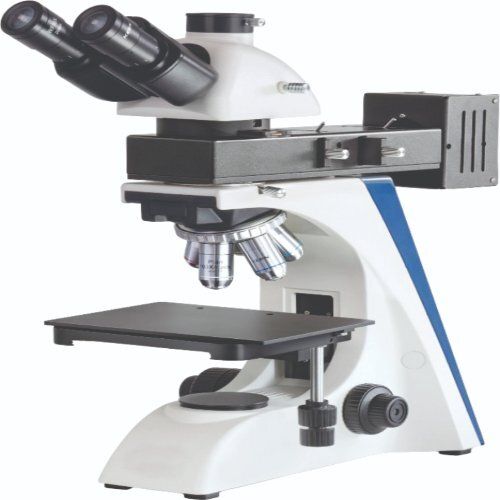
Price 450000 INR / Piece
Minimum Order Quantity : 10 Pieces
Still Image Capture Resolution : Depends on camera used (up to 20MP+ with recommended cameras)
Objective Achromatic : Plan Achromatic objectives 10X, 20X, 40X (SL), 100X (SL, oil immersion, spring loaded)
Magnification : 100x, 200x, 400x, 1000x (using included objectives & eyepieces)
Theory : Other, Metallurgical Microscopy; Observation and analysis of metal surfaces and microstructures.
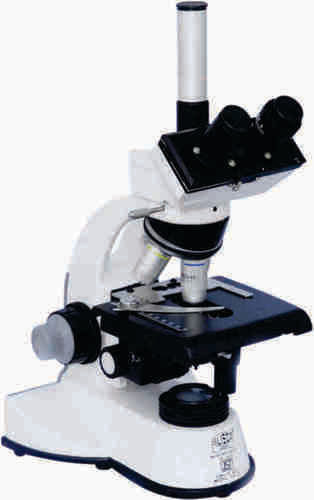
Price 31160 INR / Piece
Minimum Order Quantity : 10 Pieces
Still Image Capture Resolution : Depends on camera used (not included)
Objective Achromatic : 4X, 10X, 40X (spring), 100X (spring, oil)
Magnification : 40X to 1600X (standard configuration)
Theory : Other, Ideal for pathological, educational, and laboratory use with superior optical performance.
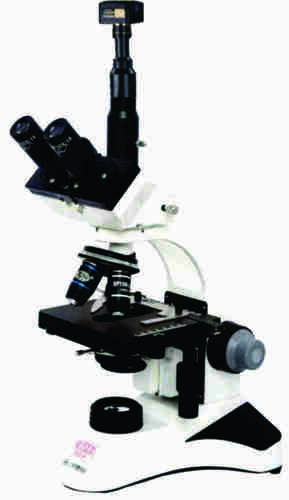
Price 61500 INR / Piece
Minimum Order Quantity : 10 Pieces
Still Image Capture Resolution : Up to 2592 x 1944 pixels
Objective Achromatic : 4X, 10X, 40X (spring), 100X (spring, oil) achromatic objectives
Magnification : 40X to 1600X (Using supplied achromatic objectives and wide field eyepieces)
Theory : Other, Compound research trinocular microscope suitable for advanced laboratory and research applications.
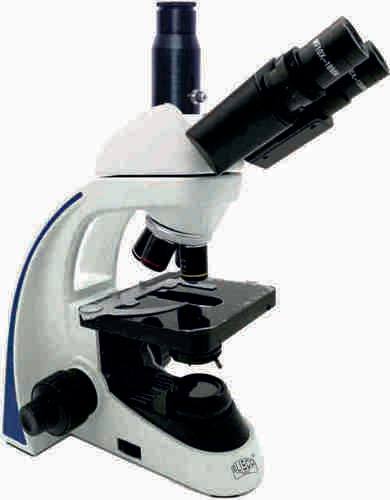
Price 57400 INR / Piece
Minimum Order Quantity : 10 Pieces
Still Image Capture Resolution : Up to 2592 x 1944 pixels (with digital camera)
Objective Achromatic : 4x, 10x, 40x (S), 100x (S, Oil Immersion)
Magnification : 40x to 1000x (Standard); expandable with additional objectives/eyepieces
Theory : Other, Brightfield, Darkfield, Phase Contrast (Optional)




 Send Inquiry


 Send Inquiry