
Talk to us
08071780067
Talk to us
08071780067
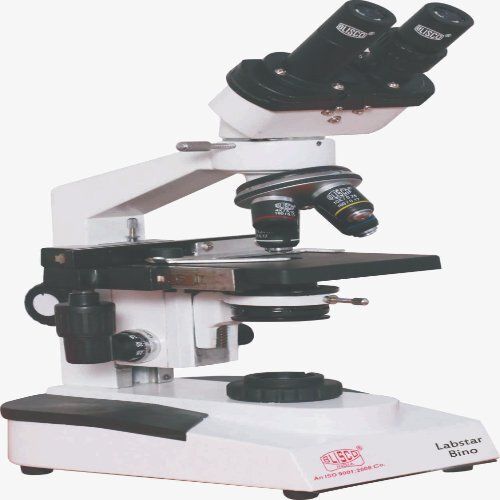
-Thebodyiswelldesigned,MetalBodiedbiologicalmicroscopeforStudentsinMedicalcollegesViewingBodies:-ObservationHeadinclinedat45,rotatable
Nosepiece:-Smoothrevolving,quadruplenosepiecewithRubbergrip,positivestopsforcenteredFocusing:lockingdevicetoprotectvaluableslides.
MechanicalStage: - Low driveHorizontal coaxial mechanical stage of 145 x 140 mm.-AbbeN.A.1.25&irisdiaphragmwithbuiltinswingoutilterholderandup-downIllumination:switch,continuouslyvariablelightintensitycontrolled regulator.Suitablefor220V,50HzACsupply.
Packing:-completewithduster,cover,Necessarycords&cables&instructionmanual.

Price:
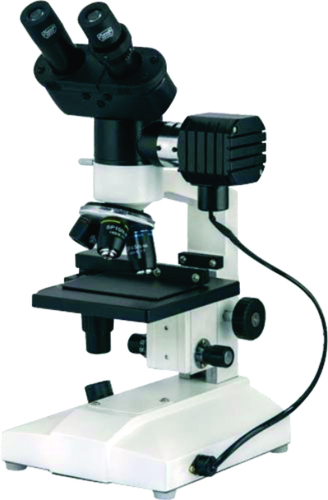
Price 18000 INR / Piece
Minimum Order Quantity : 10 Pieces
Resolution : High
Coarse Adjustment Range : 15 mm total travel for coarse focus mechanism.
Dimensions : Approx. 340 x 220 x 430 mm (H x W x D).
Eyepiece Tube : Binocular tubes, inclined 45, 360 rotatable.
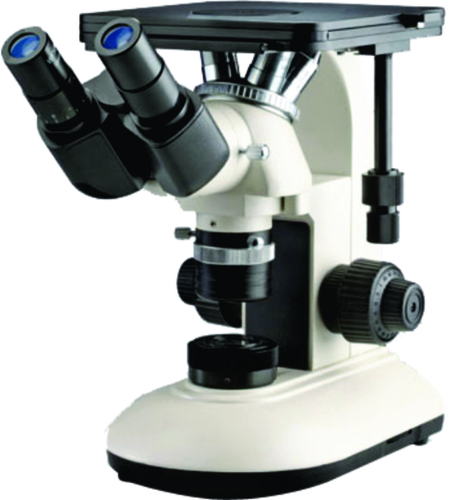
Price 180000 INR / Piece
Minimum Order Quantity : 10 Pieces
Resolution : High
Coarse Adjustment Range : 30mm
Dimensions : Approx. 400mm (Height) x 200mm (Width) x 350mm (Depth)
Eyepiece Tube : Binocular, inclined 45
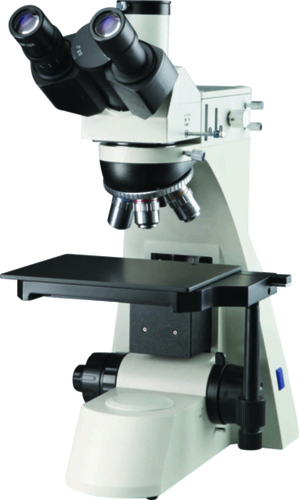
Price 273750 INR / Piece
Minimum Order Quantity : 10 Pieces
Resolution : High
Coarse Adjustment Range : Approximately 25mm total travel
Dimensions : Approx. 450mm x 320mm x 180mm
Eyepiece Tube : Binocular, inclined at 45 for comfortable viewing
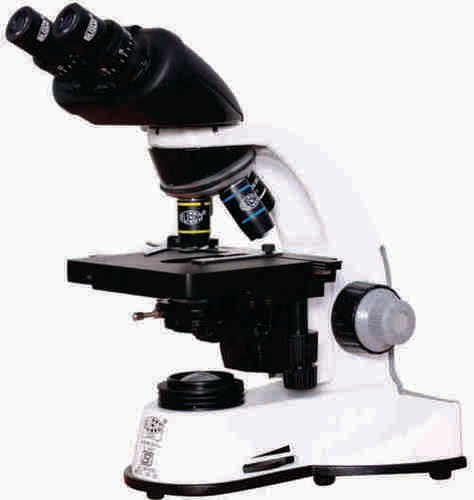
Price 29520 INR / Piece
Minimum Order Quantity : 10 Pieces
Resolution : High
Coarse Adjustment Range : 30 mm
Dimensions : Approx. 385 mm (H) x 190 mm (W) x 250 mm (D)
Eyepiece Tube : Inclined at 45 for comfortable viewing




 Send Inquiry


 Send Inquiry