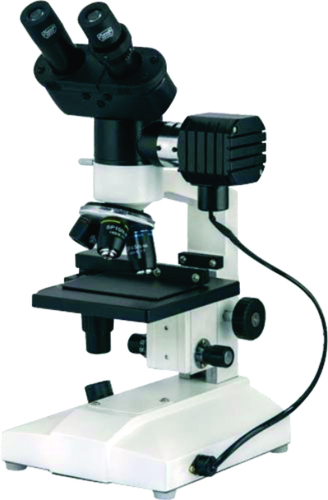
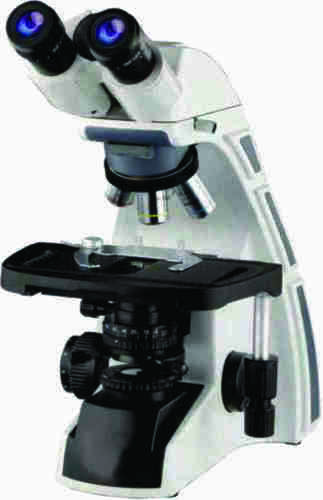
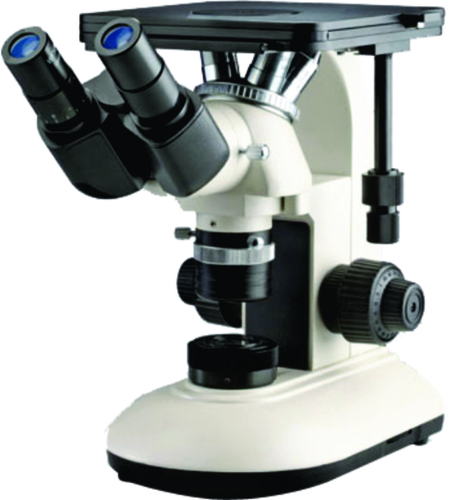
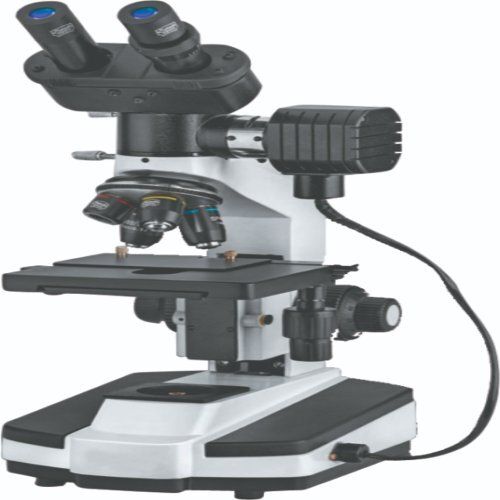
Pathological Binocular Microscope Medilux sm/100 About
Ergonomic designed SingleMold Low Drive Coaxialmechanismfor comfortable basedonballbearingandwireguides
ViewingBodies Monocular Binocular or Trinocular any one observation Head inclined atNosepieceQuadrupleforcenteredalignmentofobjectives
FocusingCoaxial Coarse ne Movement slides smoothly on Ball Bearing Guide Ways which providesthehighestDegreeofsensitivemorethantwomicronsnefocusingreadingto0002freefrombacklashMechanicalStageCondenserPrecenteredAbbecondenserNA 125withasphericlens withIrisdiaphragmBuiltinswingoutlterholderupdownmovementthroughrackpiniononstainlesssteelguides
IlluminationHeavy rectangular sturdy base with built in LEDIllumination Battery backupoptionalorhalogenlamponoffswitchcontinuouslyvariablelightintensitycontrolledregulatorquickchangebulbprovisionworkableon110240v50HzAC
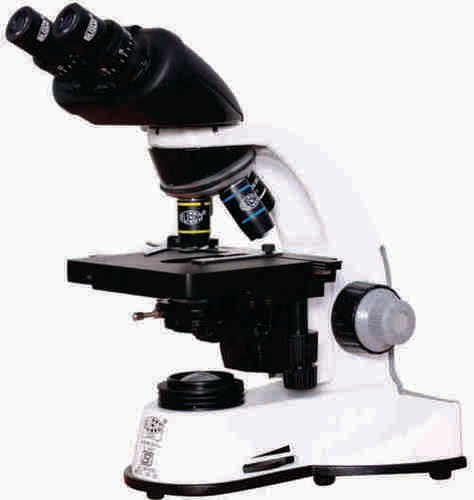
Engineered for Precision and DurabilityConstructed with a robust, anti-vibration metal frame, the Medilux SM/100 withstands the daily demands of busy pathology labs. Its white and blue enamel finish not only adds aesthetic appeal but also provides extra protection against corrosion and wear, ensuring reliability in various medical and research environments.
Versatile Optics and Comfortable ViewingThis microscope features a binocular head with 360 rotation and adjustable interpupillary distance (55-75 mm) to accommodate user comfort. The optical system, with paired wide-field 10x eyepieces and achromatic objectives (4x, 10x, 40x, 100x oil), provides magnifications from 40x to 1000x, ideal for detailed sample analysis.
User-Friendly Features for Enhanced WorkflowA mechanical stage with low-position coaxial controls, coarse and fine focus adjustment, and anti-fungal coated optics help streamline laboratory workflows. The built-in halogen illumination system provides adjustable brightness for optimal observation conditions, and optional digital imaging attachments can further enhance documentation and sharing.
FAQ's of Pathological Binocular Microscope Medilux sm/100:
Q: How is the Medilux SM/100 Pathological Binocular Microscope typically used in medical laboratories?
A: This microscope is primarily used for examining pathological slides in hospital pathology labs, academic research, and teaching institutions. Its high-resolution optical system and comfortable binocular observation make it suitable for detailed morphological studies and disease diagnosis.
Q: What benefits does the anti-fungal coating of the optics provide?
A: The anti-fungal coated optics prevent fungal growth on lenses and internal components, preserving image clarity and extending the lifespan of the microscope, especially in humid or tropical lab environments.
Q: Where can users adjust the magnification, and what is the supported magnification range?
A: Users can adjust magnification by rotating the quadruple revolving nosepiece to select from the available objectives (4x, 10x, 40x, and 100x oil immersion) combined with the 10x wide field eyepieces, achieving a total magnification range from 40x to 1000x.
Q: What safety measures are integrated into the microscope's design?
A: The Medilux SM/100 meets international safety and quality standards, features a fused 220V/50Hz AC power supply for electrical protection, and is constructed with a stable, anti-vibration metal frame with rubber feet to prevent accidental slips during use.
Q: How does the mechanical stage benefit users during sample examination?
A: The mechanical stage, with low-position coaxial controls and stage clips, allows precise, effortless movement of slides (travel range 70 x 30 mm), enabling efficient and accurate scanning of specimen areas without user fatigue.
Q: When should optional accessories such as the camera port adaptor or digital imaging attachment be used?
A: Optional camera port adaptors and digital imaging attachments are recommended when users need to capture, document, or share microscopic images for educational, research, or consultative purposes.
Q: What spare parts are included and how should they be used?
A: The package includes a dust cover for storage protection, immersion oil for 100x oil-immersion objective use, a spare bulb, and a fuse. Use these supplies as needed for routine maintenance and to ensure continuous, optimal performance.