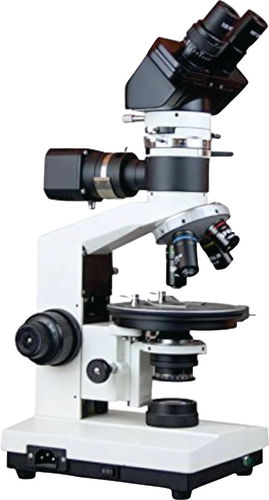
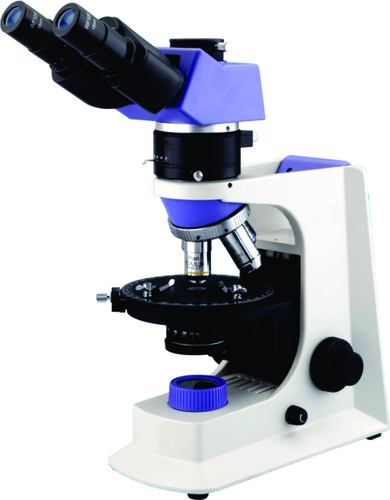
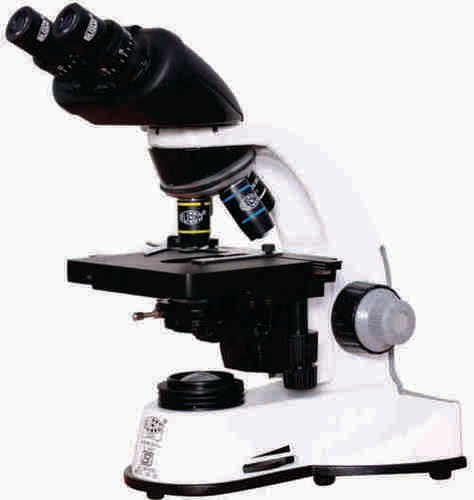
Advance Binocular Polarising Microscope Model-SPM-20 About
ObservationHead SiedentopfBinocular observation head inclined at 30 5 and rotatable at 360DiopteradjustmentringonoculartubeInterpupillarydistancefrom55mmto75mm
EyepieceAntifungus
Objectives PlanAchromatic 4XEPlanAchromatic 10XEPlanAchromatic 40X SLEPlan Achromatic100XSL
MechanicalBody and PreFocusing Lever It has Coaxial focusing system It also includes PrerevolvesonballbearingTheCrossmovement55mmX75mm
RevolvingStage
AnalyzerOpticalCompensator
Polarizer
Standard Accessories Blue Filter fuse operating manualvinyl dust cover guarantee card Styrofoammoldedpack
RPM150
Superior Build and Optical ExcellenceCrafted from robust metal, the SPM-20 is coated to resist corrosion and rust, ensuring years of reliable service in demanding environments. Its anti-fungal and anti-reflection coated optics maintain clarity and resolution, vital for observing minute specimen details. Enhanced with achromatic objectives, it delivers sharp, color-corrected images under polarised light.
Precision Control and VersatilityFeaturing a 360 rotatable graduated stage with a locking mechanism and vernier scale, the SPM-20 allows meticulous specimen orientation and angular measurement. The integrated quadruple nosepiece, focus system, and binocular head with interpupillary adjustment enhance user comfort and flexibility, making it optimal for prolonged observation sessions.
Comprehensive Polarising CapabilitiesEquipped with built-in polarizer/analyzer, a centerable Bertrand lens for conoscopic observations, and a compensator slot for additional plates (mica, gypsum, quartz wedge), this model supports advanced polarized light techniques. The swing-out condenser with iris diaphragm ensures precise illumination control for detailed examination of geological samples.
FAQ's of Advance Binocular Polarising Microscope Model-SPM-20:
Q: How do I operate the polarizer and analyzer functions on the SPM-20 microscope?
A: The SPM-20 features a built-in polarizer located below the stage and an analyzer positioned within the binocular tube. Both can be rotated 360 with a positive stop, allowing you to easily align and adjust polarization angles. This setup enables effective observation of mineral optical properties under polarized light.
Q: What types of research or studies is this microscope most suited for?
A: This microscope is specifically designed for geological, mineralogical, and petrographic studies, as well as related fields requiring polarized light analysis. Its advanced optics and polarising capabilities make it highly effective for examining mineral structure, birefringence, and other optical characteristics.
Q: When should I use the included compensator plates (mica, quartz wedge, gypsum)?
A: Use the compensator plates during polarized light examination to enhance contrast, measure retardation, or analyze optical properties such as interference colors. The compensator slot on the optical path lets you quickly insert these plates as needed for specialized observations in research and education.
Q: Where can I find replacement parts and accessories for the SPM-20?
A: Replacement objectives, eyepieces, bulbs, and polarizer/analyzer units can be obtained through the manufacturer, exporter, or authorized suppliers in India. The instruction manual also lists compatible spare parts for easy procurement.
Q: What steps are involved in setting up and maintaining the SPM-20 microscope?
A: Start by placing the microscope on a stable surface and connect it to the appropriate power supply (AC 220V/50Hz or optional 110V). Insert the desired objectives, eyepieces, and compensator plates as needed. After use, cover the microscope with the provided dust cover to keep it clean and periodically check optics for dust or fungal growth.
Q: How does the microscope's anti-fungal optical coating benefit users?
A: The anti-fungal coating helps protect the lenses and optical components from fungal contamination, particularly in humid climates, thereby preserving image clarity and extending the lifespan of the microscope's optics.






 Send Inquiry


 Send Inquiry