
Talk to us
08071780067
Talk to us
08071780067
ObservationHead SiedentopfBinocular observation head inclined at 30 5 and rotatable at 360DiopteradjustmentringonoculartubeInterpupillarydistancefrom55mmto75mm
EyepieceAntifungus
Objectives PlanAchromatic 4XEPlanAchromatic 10XEPlanAchromatic 40X SLEPlan Achromatic100XSL
MechanicalBody and PreFocusing Lever It has Coaxial focusing system It also includes PrerevolvesonballbearingTheCrossmovement55mmX75mm
RevolvingStage
AnalyzerOpticalCompensator
Polarizer
Standard Accessories Blue Filter fuse operating manualvinyl dust cover guarantee card Styrofoammoldedpack
SPM20
RPM150
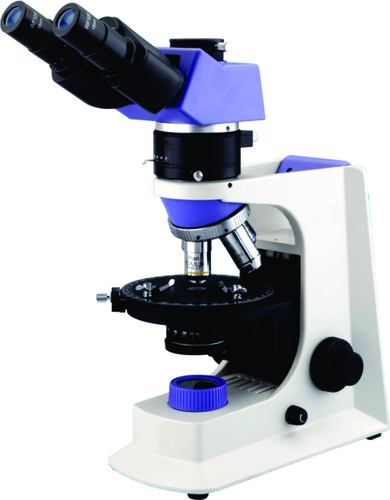

Price:
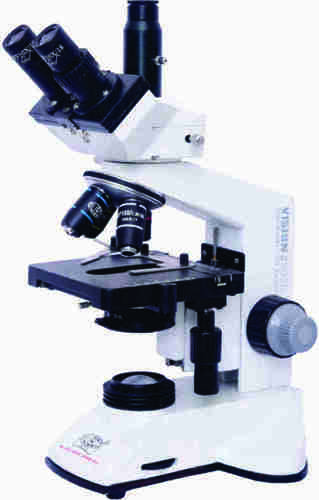
Price 53300 INR / Piece
Minimum Order Quantity : 10 Pieces
Magnification : 40X, 100X, 400X, 1000X (using various eyepiece and objective combinations)
Condenser : Abbe condenser with iris diaphragm, N.A. 1.25
Working Stage : Mechanical stage, size 120x140mm with slide clamp
View Head : Binocular, 45 inclined, 360 rotatable
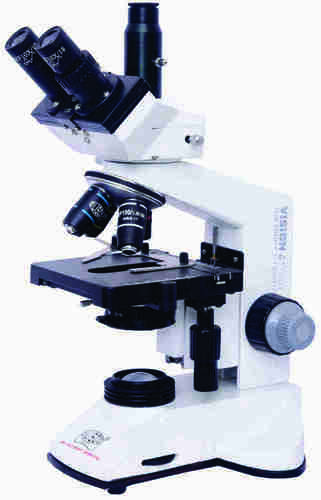
Price 28700 INR / Piece
Minimum Order Quantity : 10 Pieces
Magnification : 40X to 1000X
Condenser : Abbe condenser N.A. 1.25 with iris diaphragm and filter holder
Working Stage : Mechanical stage 125 x 115 mm, movement range 70 x 30 mm
View Head : Binocular, 45 inclined
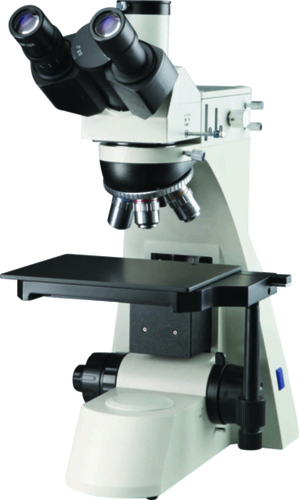
Price 273750 INR / Piece
Minimum Order Quantity : 10 Pieces
Magnification : 100X, 200X, 400X, 500X (depending on objective/eyepiece)
Condenser : Not applicable for reflected light metallurgical type
Working Stage : Rectangular, mechanical stage 120 x 120mm with XY movement mechanism (approx. 40 x 40mm movement)
View Head : Binocular head, 45 inclined, 360 rotatable
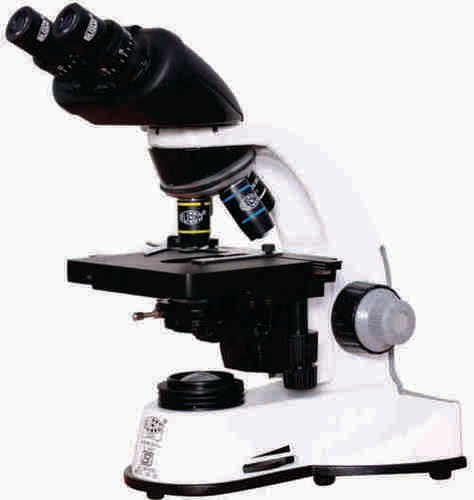
Price 29520 INR / Piece
Minimum Order Quantity : 10 Pieces
Magnification : 40x 1000x (using different objectives and eyepieces)
Condenser : Abbe condenser, N.A. 1.25 with iris diaphragm and filter holder, height adjustable
Working Stage : Mechanical stage with lowposition coaxial control, approximately 125 x 115 mm, travel range 70 x 30 mm
View Head : Binocular, 360 rotatable




 Send Inquiry


 Send Inquiry