Single Nose Microscope About
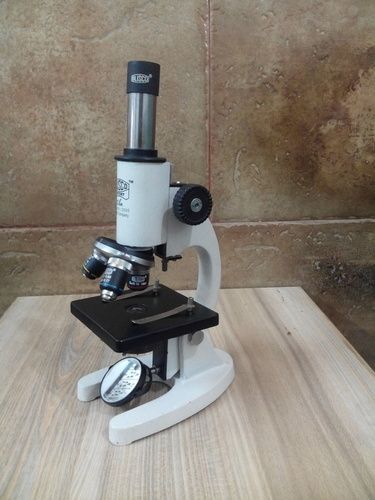
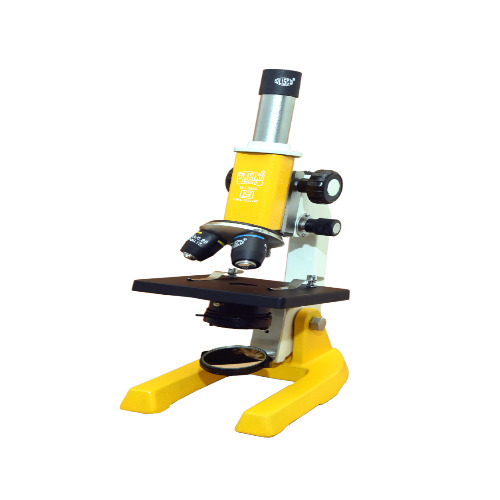
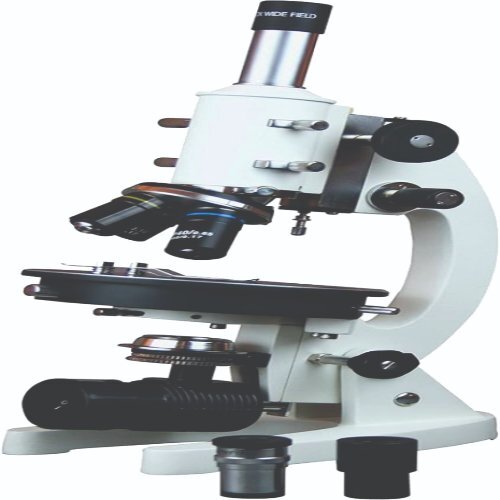
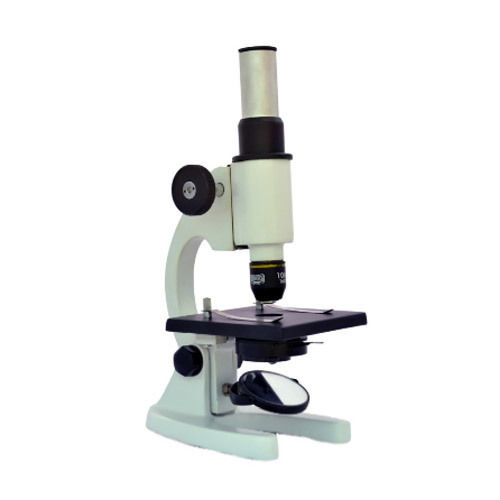
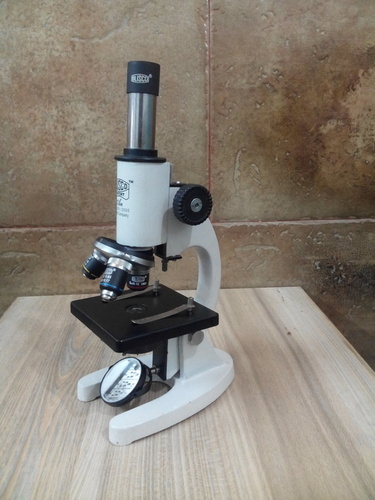
Designed for beginners,handy,monocular tube inclinable up to 90 and mechanical tube length 160mm. coarse movement by rack and pinion for focusing, fixed square stage size 100x100mm with stage clips.
Advanced Achromatic OpticsThe microscope uses achromatic objectives to minimize color distortion, ensuring crisp and accurate image reproduction. With widefield 10X eyepieces and a monocular view head, users can observe specimens in high detail across a range of magnifications-100X to 600X-making it suitable for diverse scientific and educational tasks.
Flexible Illumination OptionsDesigned with adaptability in mind, this microscope harnesses daylight or an external light source for illumination. Its mirror-based mechanism, coupled with a fixed condenser, guarantees consistent lighting and easy operation even in resource-limited settings or classrooms without direct electric light.
User-Friendly Mechanical StageA mechanical stage fitted with clips securely holds slides in place, simplifying the process of scanning and focusing on specimens. This feature, paired with intuitive stage controls, makes it practical for both novice users and seasoned professionals.
FAQ's of Single Nose Microscope:
Q: How do I illuminate specimens using this microscope?
A: This microscope relies on daylight or an external light source, such as a lamp, directed via its mirror. Position your light source so it reflects into the condenser for optimal brightness. No built-in lamp is present, so ensure sufficient ambient light during use.
Q: What is the process for changing magnification levels?
A: The microscope provides three magnification settings: 100X, 400X, and 600X. Select the required objective by rotating the single nosepiece and use the widefield 10X eyepiece to achieve the desired total magnification. Ensure the slide is well-centered before switching objectives.
Q: Where can I source this single nose microscope in India?
A: You can obtain this microscope through reputable suppliers, exporters, manufacturers, and traders across India, specializing in scientific equipment. Many vendors distribute through both physical outlets and online platforms.
Q: When should I use the mechanical stage clips?
A: Mechanical stage clips are used whenever you need to secure your slides during observation. They help maintain precise positioning, especially at high magnifications, making the study process smoother and more reliable.
Q: What are the benefits of a monocular drawtube design?
A: A monocular drawtube offers simplicity and reduced weight, making the microscope easier to handle and ideal for educational or field settings. It requires less adjustment, which can be advantageous for repeated classroom demonstrations.
Q: How do achromatic objectives enhance my viewing experience?
A: Achromatic objectives are engineered to correct color distortions, delivering sharper and clearer images. This is particularly beneficial when analyzing stained biological specimens, ensuring observed colors reflect true sample characteristics.






 Send Inquiry


 Send Inquiry