
Talk to us
08071780067
Talk to us
08071780067
Ergonomic designed SingleMold Low Drive Coaxialmechanismfor comfortable basedonballbearingandwireguides
Viewing Bodies SideNTopButer ytype 30 inclined BinocularTrinocular observation HeadIncorporated with anti fungus coated anti reection coated Prisms Rotatable to 360 with inter pupillary
NosepieceQuadrupleforcenteredalignmentofobjectives
FocusingCoaxial Coarse ne Movement slides smoothly on Ball Bearing Guide Ways which providesthehighestDegreeofsensitivemorethantwomicronsnefocusingreadingto0002freefrombacklashMechanicalStage Low driveHorizontal coaxial mechanical stage working on Ball Bearing Guide Waysof155x145mmwithneVeniregraduationsreading01mmXYmovement75mmx55mmofslides
CondenserPre centered Abbecondenser NA 125 with aspheric lens with Iris diaphragm Built in swingout lter holder with lter arrangement to adopt darkeld phase contrast Simple polarizer unit updownmovementthroughrackpiniononstainlesssteelguides
IlluminationHeavyrectangular sturdy base with built in LED Illumination Battery backupoptional or 6v20 halogen lamp withField diaphragm arrangement to hold lter onoff switchcontinuouslyvariablelightintensitycontrolledregulatorquickchangebulbprovisionworkableon110240v50HzAC
PackingcompletewithdustercoverNecessarycordscablesinstructionmanual
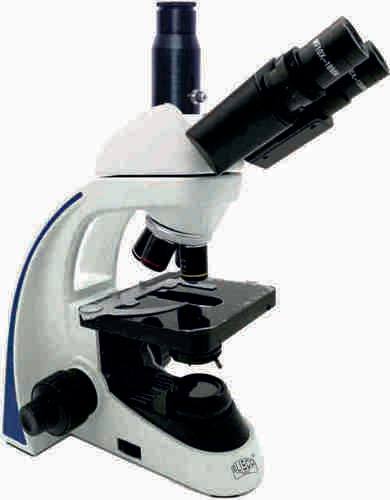

Price:
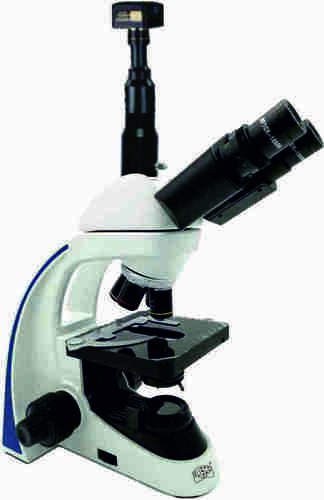
Price 70700 INR / Piece
Minimum Order Quantity : 10 Pieces
Interface : USB 2.0 interface for PC connectivity.
Light Source : Highbrightness, energysaving LED illumination with adjustable brightness.
Coarse Adjustment Range : 20 mm coarse movement.
Objective Achromatic : 4X, 10X, 40X (S), 100X (S, Oil) plan achromatic objectives.
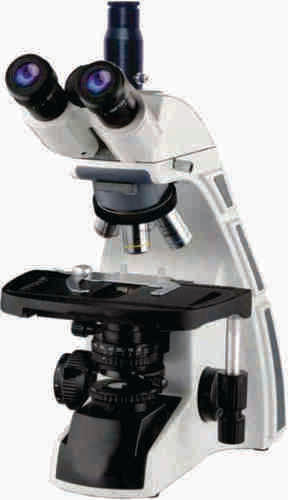
Price 65600 INR / Piece
Minimum Order Quantity : 10 Pieces
Interface : Mechanical tube with camera port, eyepiece sockets
Light Source : Halogen bulb, 6V/20W
Coarse Adjustment Range : 30mm travel
Objective Achromatic : 4x, 10x, 40x (Spring), 100x (Oil, Spring)
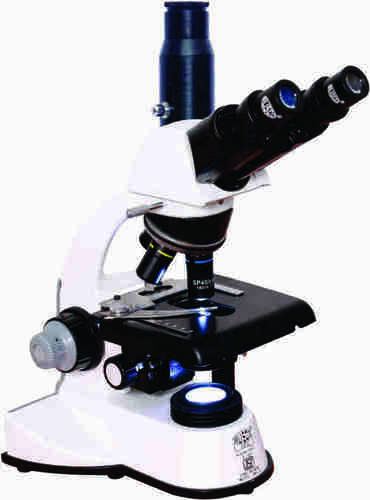
Price 36080 INR / Piece
Minimum Order Quantity : 10 Pieces
Interface : Trinocular phototube for camera integration
Light Source : Halogen 6V 20W or LED replacement (variable) with builtin transformer
Coarse Adjustment Range : 28 mm approx.
Objective Achromatic : Achromatic objectives 4X, 10X, 40X (SL), 100X (SL, Oil Immersion)
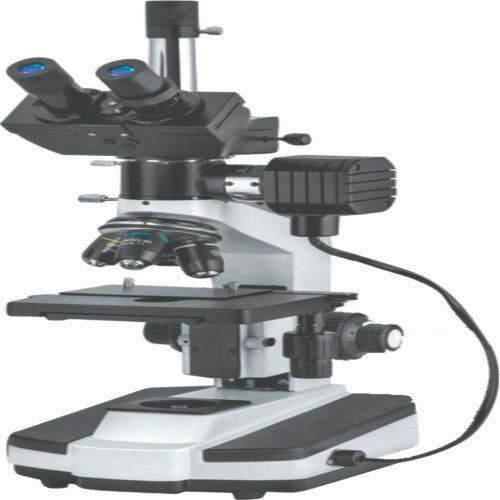
Price 27000 INR / Piece
Minimum Order Quantity : 10 Pieces
Interface : Trinocular port for digital imaging (Cmount compatible)
Light Source : Reflected illumination, halogen/LED
Coarse Adjustment Range : 25mm
Objective Achromatic : PLAN 5x, 10x, 40x, 100x (dry/oil) long working distance metallurgical objectives




 Send Inquiry


 Send Inquiry