Disseting Microscope About
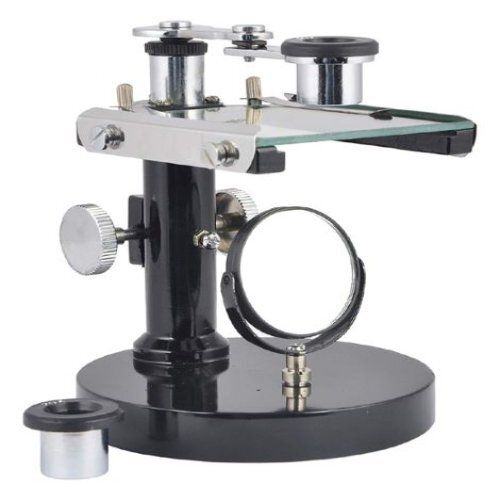
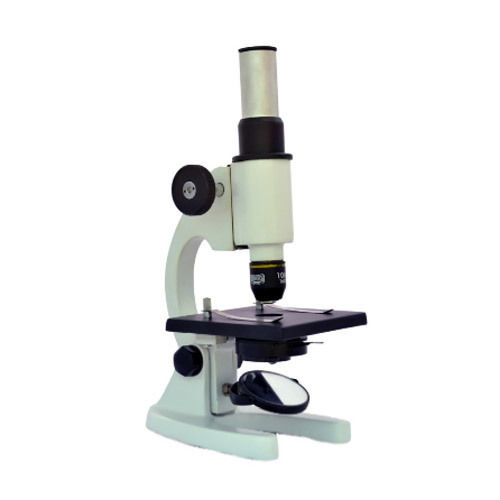
The dissecting microscope is used for demonstration, close study of small organisms and fine dissection work, heavy round base for greater stabilityn with all metal parts & beautiful look, equipped with joint revolving arm for moving the magnifying lens over the stage allowing the whole stage are to be scanned. detachable rests on either side of the stage provide a steadying support for hands during fine dissecting. focusable by rack &pinion.
Reliable Optical PerformanceCrafted for clarity and precision, this dissecting microscope employs basic optical theory and a monocular view head. Its external light compatibility and manual focusing ensure users can adapt lighting and focus for a wide range of specimens, making it suitable for both teaching and professional settings.
Adaptable Design for Multiple ApplicationsWith an open stage and glass working platform, this microscope accommodates diverse dissection needs, from plant material to small mechanical parts. Its user-friendly design, coupled with a durable build, supports repeated use in laboratories, educational institutes, and industrial quality control environments.
FAQ's of Disseting Microscope:
Q: How is the external light source used with this dissecting microscope?
A: The microscope does not have built-in illumination; it requires an external light source such as a lamp or natural sunlight. Place the light at an appropriate angle to illuminate the specimen and achieve optimal visibility during observation.
Q: What is the magnification level of the Dissecting Microscope with Drawtube?
A: This model typically provides 10x magnification, enabling clear and detailed viewing of specimens for dissection and examination purposes.
Q: Where can this microscope be used effectively?
A: The microscope is versatile and can be used in educational settings, laboratories, research facilities, and industrial quality control processes across India and internationally.
Q: When is this microscope recommended over other types?
A: It is ideal when precise, close-up observation of relatively large specimens is needed, such as plant structures, small animals, or circuit elements where high magnification is not required.
Q: What are the benefits of using an open-stage design?
A: The open-stage with a glass platform allows easy manipulation and placement of samples, which is especially useful during dissections or when working with larger specimens.
Q: How does one focus the microscope during use?
A: Manual focus is achieved by adjusting the glass stage vertically until the specimen comes into clear view. There is no fine or coarse adjustment mechanism, so careful movement is necessary to attain sharp focus.
Q: What process should be followed for safe and optimal microscope operation?
A: Ensure the microscope is situated on a stable surface, use clean slides or specimens, adjust the external light for best illumination, and manually focus the stage for a clear view. Proper handling and storage will maintain its longevity.






 Send Inquiry


 Send Inquiry