
Talk to us
08071780067
Talk to us
08071780067
Ergonomic designed SingleMold Low Drive Coaxialmechanismfor comfortable basedonballbearingandwireguides
Viewing Bodies SideNTopButter y type 30 inclined Trinocular observation HeadIncorporatedwith anti fungus coated anti reection coated Prisms Rota table to 360 withinter pupillarydistance4875mm5diopteradjustablewithlockingdevice
NosepieceQuintupleforcenteredalignmentofobjectives
FocusingCoaxial Coarse ne Movement slides smoothly on Ball Bearing Guide Ways which providesthehighestDegreeofsensitivemorethantwomicronsnefocusingreadingto0002freefrombacklashMechanicalStage Low drive Reckless Horizontal coaxial mechanical stageworking on Ball BearingGuideWaysof150x216mmwithneVeniregraduationsreading01mmXYmovement75mmx55mmofCondenserPrecenteredAbbecondenserNA 125with asphericlens withIrisdiaphragmBuiltin swingmovementthroughrackpiniononstainlesssteelguides
IlluminationHeavy rectangular sturdy base with built in LED Illumination Battery backupoptionalor 6v20 halogen lamp with Fielddiaphragm arrangement to hold lter onoffswitchcontinuouslyvariablelightintensitycontrolledregulatorquickchangebulbprovisionworkableon110240v50HzAC
PackingcompletewithdustercoverNecessarycordscablesinstructionmanual
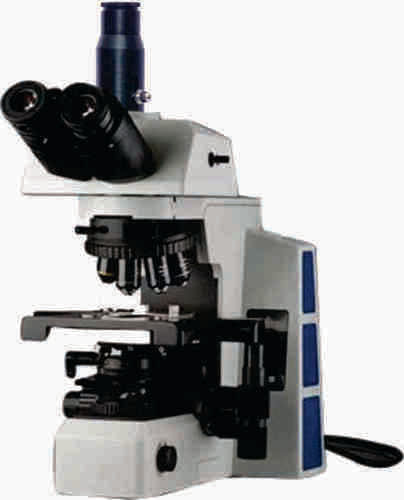

Price:
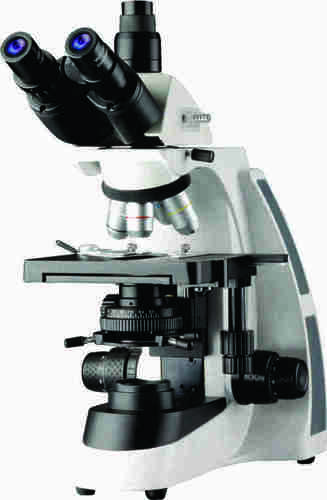
Price 78720 INR / Piece
Minimum Order Quantity : 10 Pieces
Theory : Other, Research Trinocular Microscope, advanced laboratory model suitable for professional research applications.
Drawtube : Trinocular
Eyepieces : Widefield WF10X (pair)
Objective Achromatic : 4x, 10x, 40x (spring), 100x (spring, oil immersion)
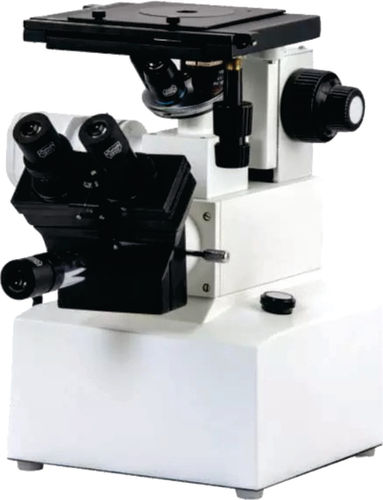
Price 52500 INR / Piece
Minimum Order Quantity : 10 Pieces
Theory : Other, Inverted Metallurgical Microscopy for observation of metallurgical specimens such as metals, alloys, crystals and microstructures from the bottom side.
Drawtube : Other, Trinocular, 45 inclined, rotatable 360
Eyepieces : Paired WF10X (field number 18mm)
Objective Achromatic : Achromatic long working distance objectives 10X, 20X, 40X (SL)
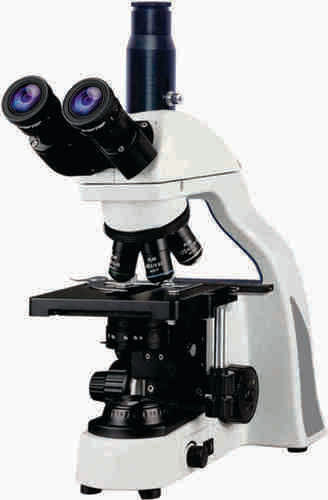
Price 190240 INR / Piece
Minimum Order Quantity : 10 Pieces
Theory : Other, Compound research microscope with advanced optical system for professional laboratory applications.
Drawtube : Other, Trinocular, 360 rotatable for camera attachment and easy sharing of view.
Eyepieces : WF 10x paired eyepieces (with rubber eyeguards); accepts standard 23mm eyepieces.
Objective Achromatic : 4x, 10x, 40x (S), 100x (S, Oil) DIN achromatic objectives (parfocal, parcentered).
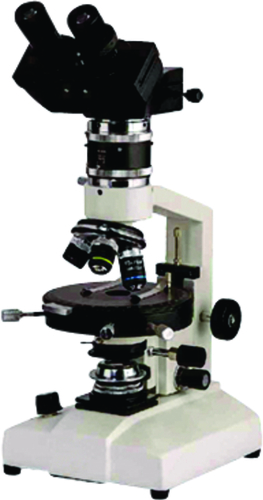
Price 45000 INR / Piece
Minimum Order Quantity : 10 Pieces
Theory : Other, Polarising light microscopy designed for geological and materials science applications.
Drawtube : Other, Trinocular (for camera or PC connectivity)
Eyepieces : Wide field 10X (paired); 16X optional
Objective Achromatic : 4X, 10X, 40X (S); all objectives strainfree polarising type, antifungus, DIN standard




 Send Inquiry


 Send Inquiry